

















 WEEK 1

























Hypothyroidism, Chronic Inflammation, and the Gut
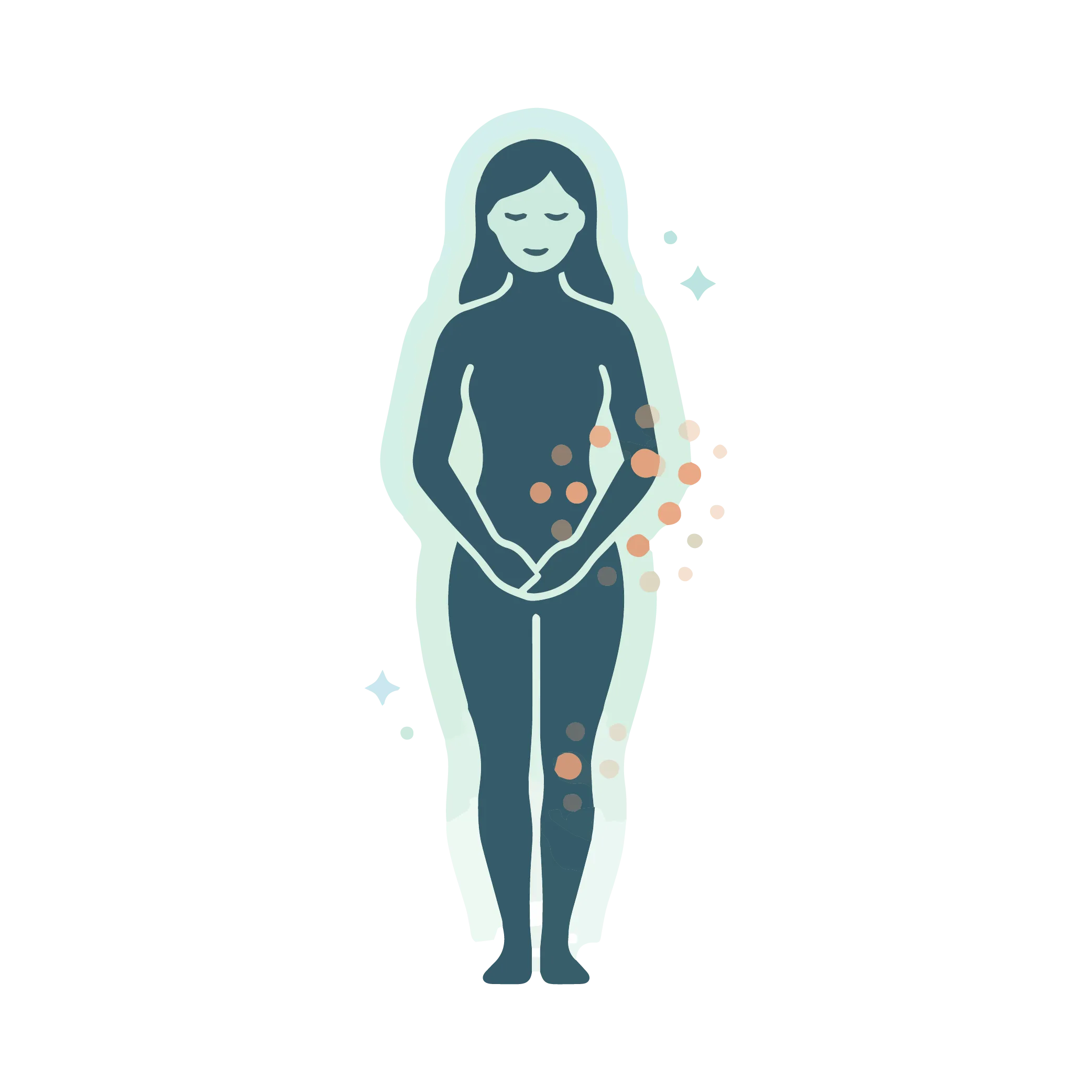
Hypothyroidism, particularly in its autoimmune form, Hashimoto's thyroiditis, is not simply a hormone deficiency. It is, at its core, a chronic inflammatory condition. Hashimoto's thyroiditis is characterized by persistent inflammation, with elevated concentrations of circulating autoantibodies against thyroid peroxidase (anti-TPO) and thyroglobulin (anti-Tg). Progressive destruction of thyroid tissue leads to decreased thyroid hormone function and a clinical state marked by reduced metabolic activity across multiple systems.
What is less commonly discussed, but increasingly well-documented, is the relationship between this chronic inflammation and the gastrointestinal tract. Hypothyroidism adversely affects gastrointestinal physiology by diminishing gastric mucosal integrity and reducing gastric acid secretion, thereby impairing the absorption of nutrients and trace elements critical for thyroid function, including selenium, iodine, iron, and zinc. Hypothyroid-induced decreases in gastrointestinal motility frequently present clinically as bloating, constipation, and impaired digestion.
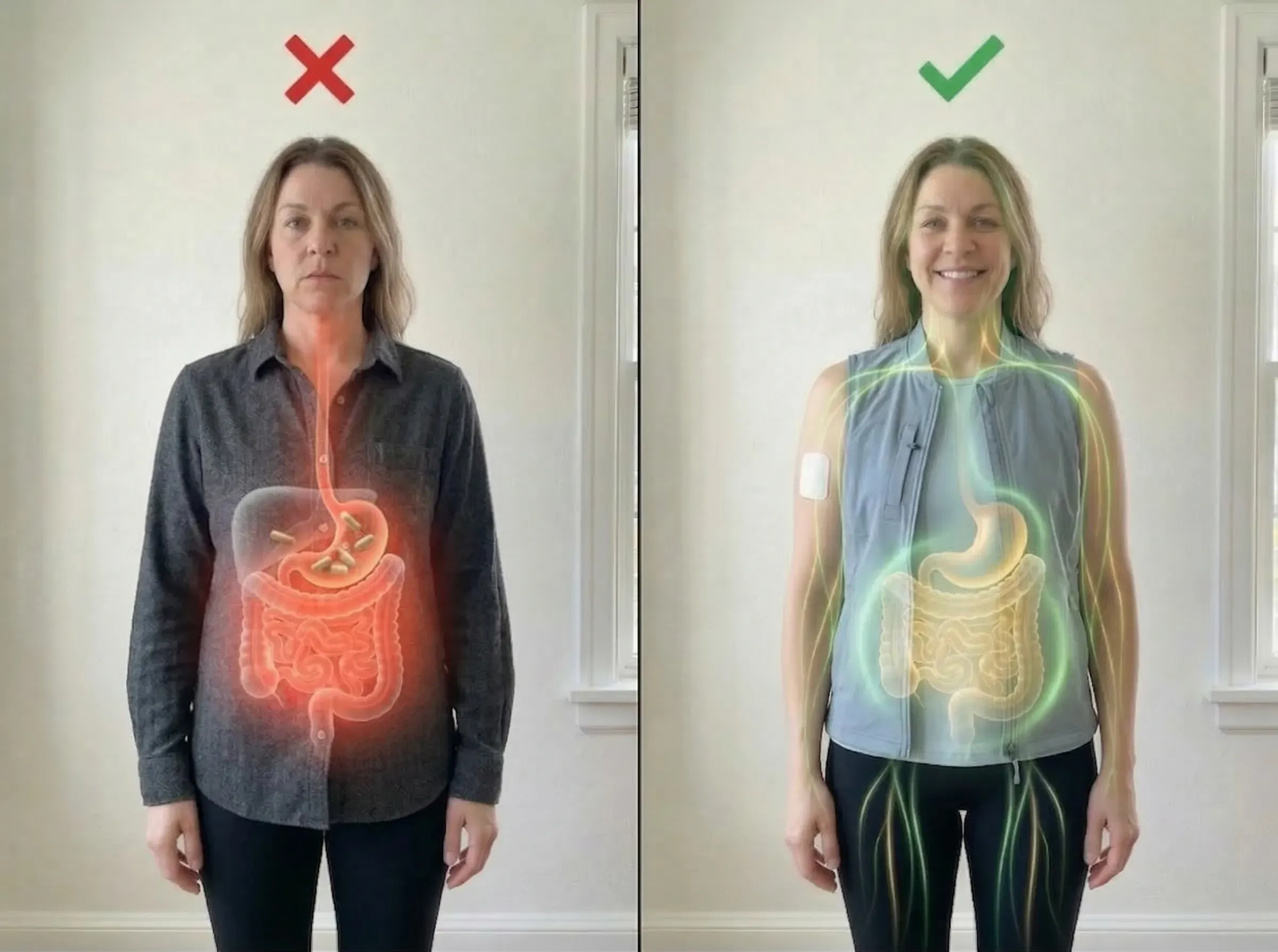
This creates a compounding problem. Intestinal dysbiosis can activate the zonulin pathway, stimulating the release of tight junction proteins and allowing luminal contents to pass through the epithelial barrier. This "leaky gut" induces the release of inflammatory cytokines, which themselves promote increased permeability, creating a self-perpetuating cycle that favors the entry of antigens from diet and gut microbes and triggers activation of both innate and adaptive immune responses.
In practical terms, this means that the very inflammation driving hypothyroidism symptoms is simultaneously compromising the gut's capacity to absorb the nutrients required to address it. An imbalance in the gut microbiome can disrupt the tight junctions of the intestinal epithelium, leading to increased permeability. This allows bacterial components to enter systemic circulation, where they activate immune cells and trigger the release of pro-inflammatory cytokines including TNF-α and IL-6, initiating a cascade of inflammatory responses that, if persistent, result in chronic inflammation and cellular stress in the thyroid gland.
Why Oral Supplementation Frequently Fails
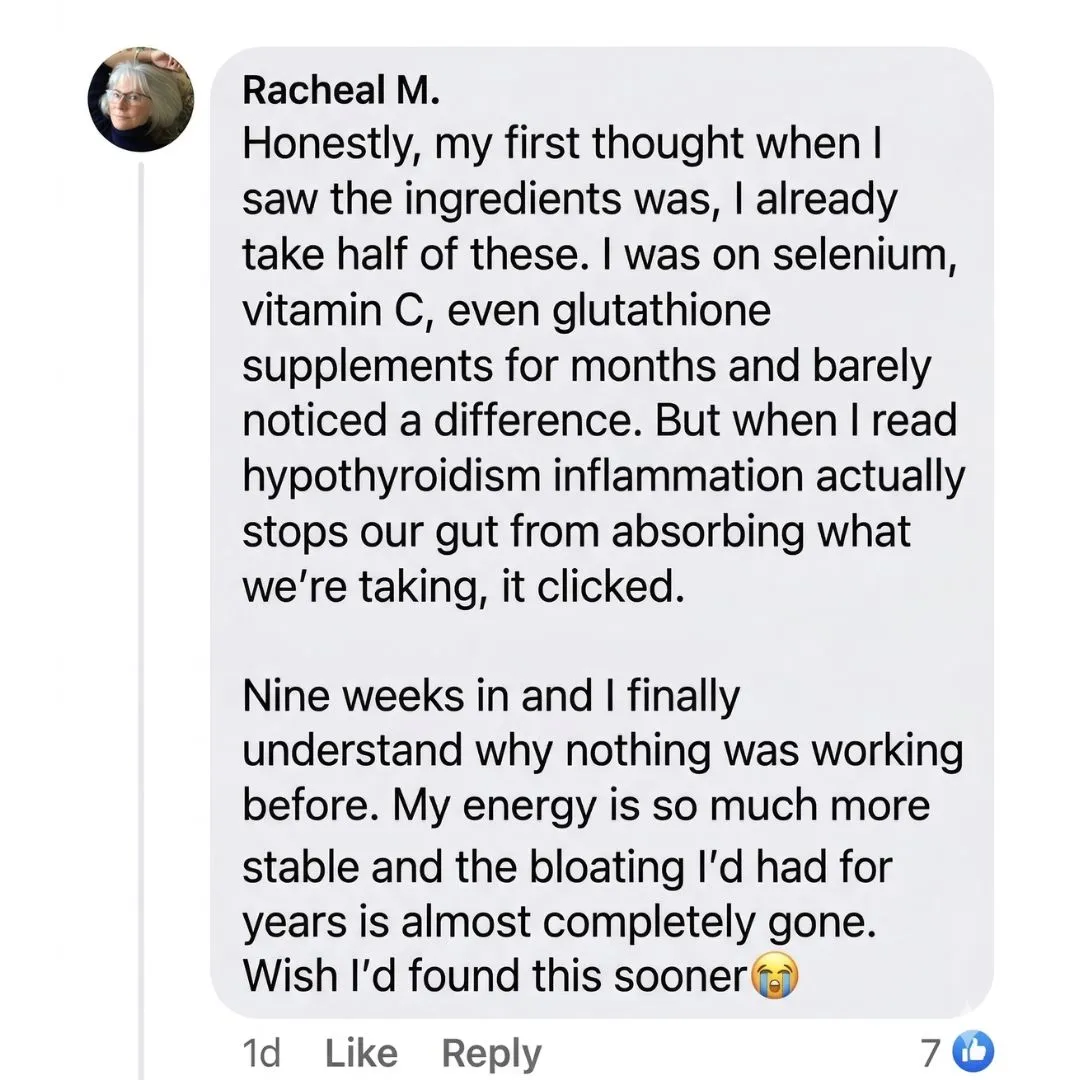
This gut-thyroid dynamic explains a phenomenon many women with hypothyroidism describe: taking the right supplements and seeing little to no benefit. Gut dysbiosis alters the immune response by promoting inflammation and reducing immune tolerance, damaging the intestinal membrane and increasing intestinal permeability, leading not only to high antigen exposure but also local inflammation that directly impairs nutrient absorption. When the gut lining is compromised, oral bioavailability of key micronutrients is significantly reduced, irrespective of the dose administered.
The Case for Transdermal Delivery
Transdermal delivery was developed precisely to address the limitations of the oral route. Transdermal drug delivery offers compelling opportunities to address the low bioavailability of many oral compounds. By bypassing the gastrointestinal tract entirely, transdermal delivery eliminates the first-pass metabolism that degrades a significant portion of orally administered nutrients before they reach systemic circulation.
Transdermal administration allows for improved bioavailability and prolonged, steady-state release of active compounds, which can improve both patient adherence and the consistency of therapeutic effect.
The Ingredients and Their Mechanisms
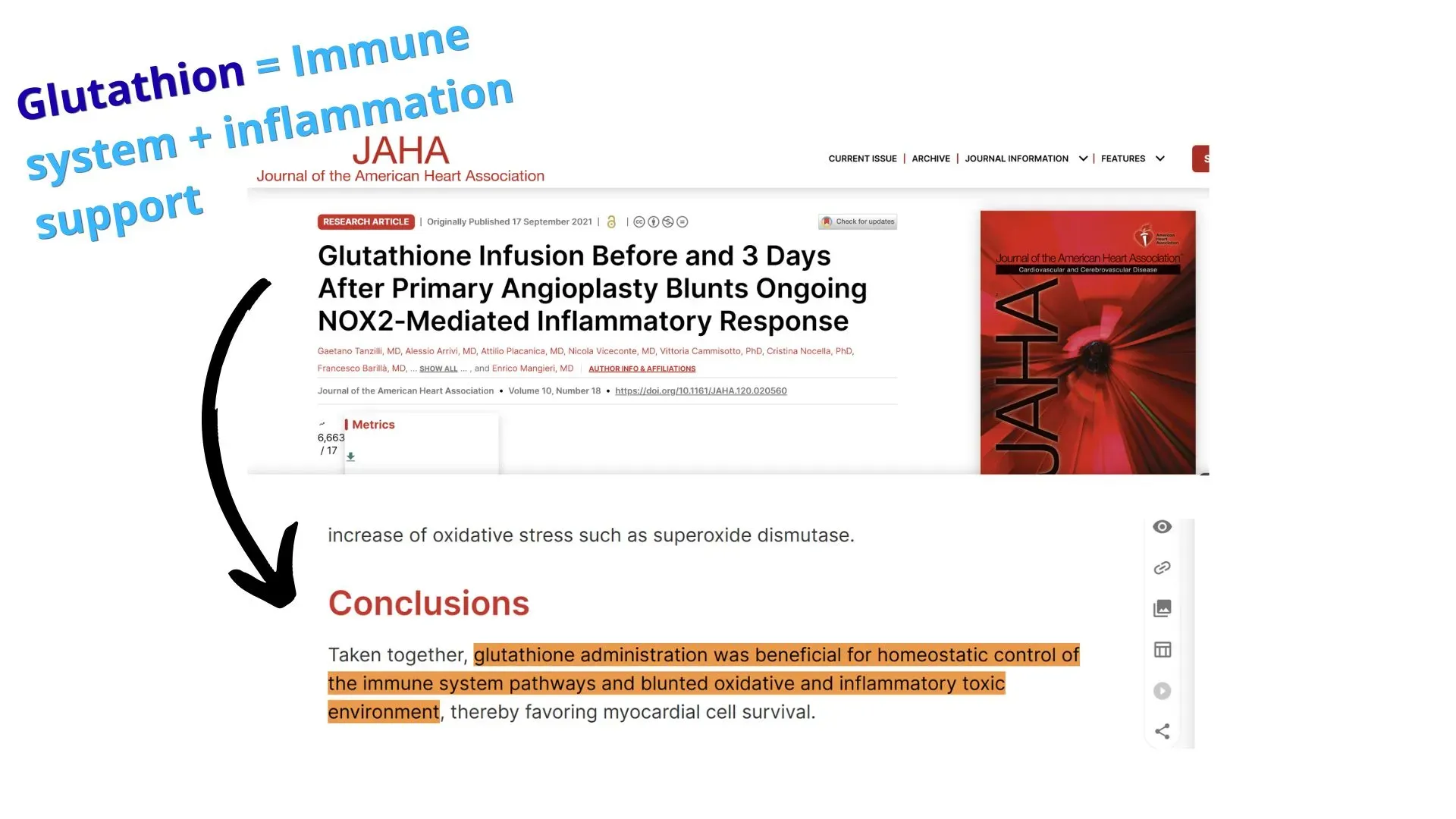
Glutathione is among the most critical active compounds. It plays a key role in regulating the synthesis of pro-inflammatory cytokines and adhesion molecules, making it central to autoimmune disease processes. Low glutathione levels can amplify inflammation, creating a cycle that oral supplementation struggles to interrupt when gut absorption is impaired.
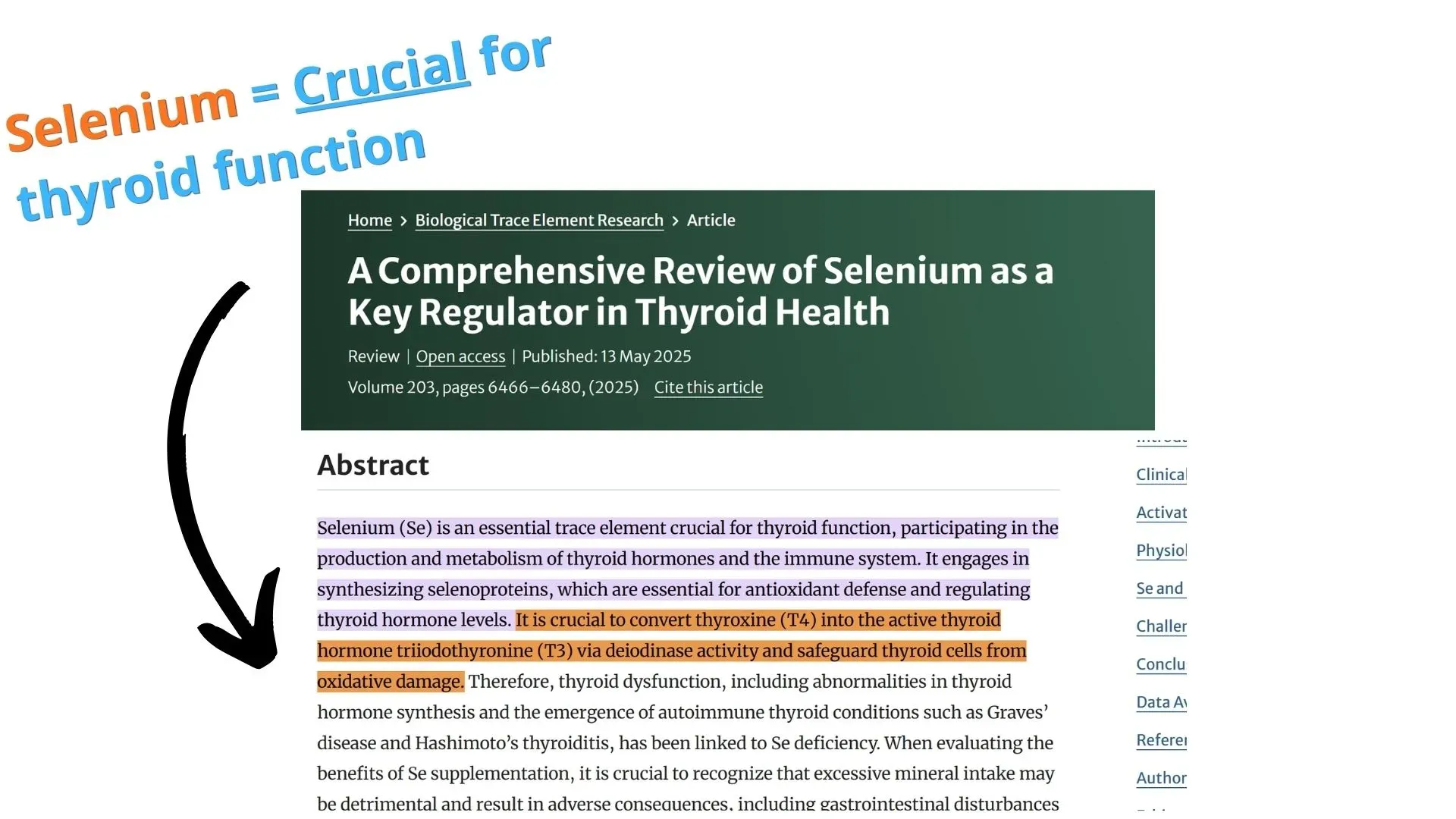
Selenium operates in direct partnership with glutathione. It is a cofactor for antioxidant enzymes and plays a vital role in thyroid hormone metabolism, particularly in converting inactive T4 into active T3. Selenium intake may also help reduce thyroid autoantibodies in autoimmune thyroid conditions.
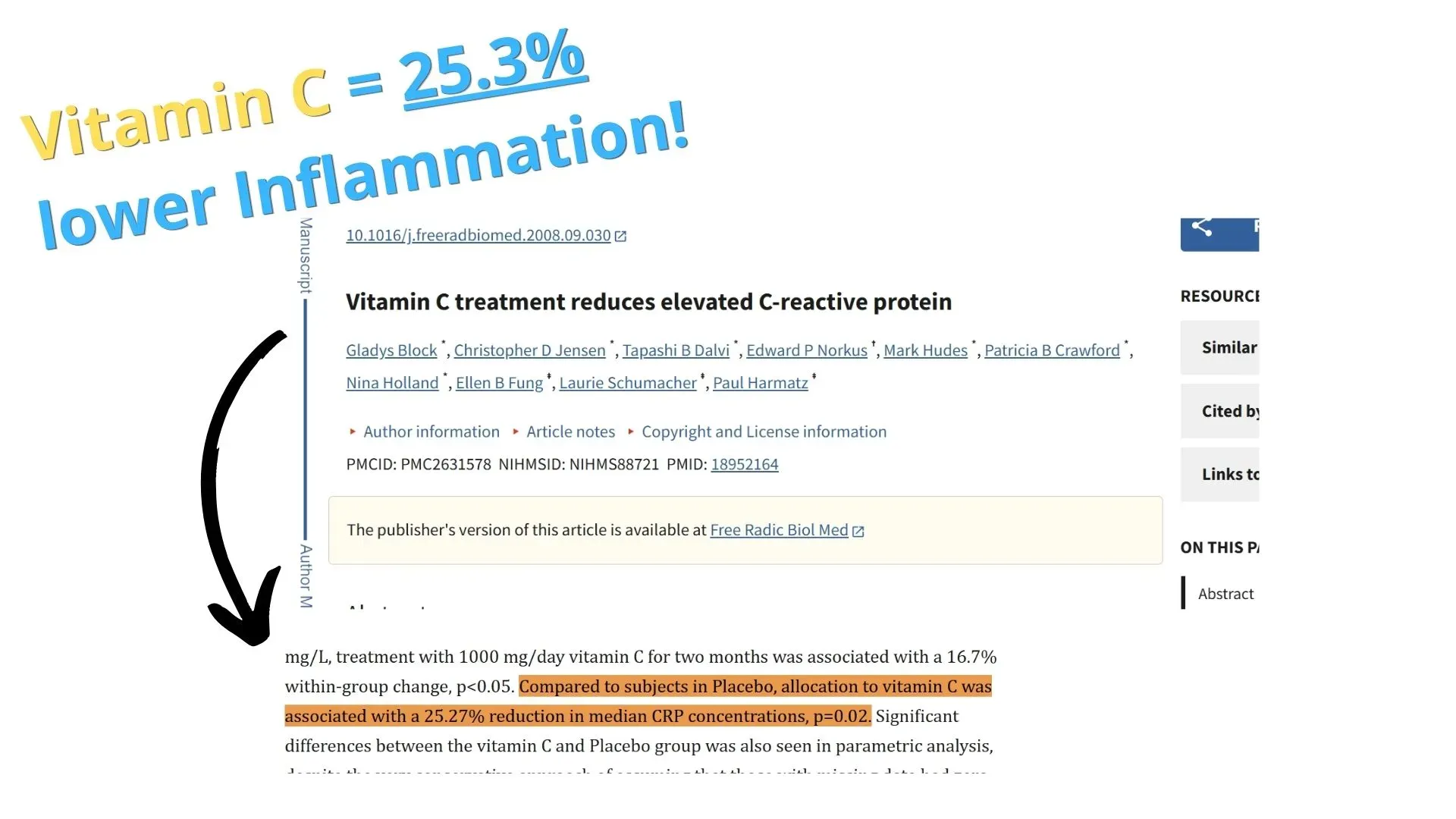
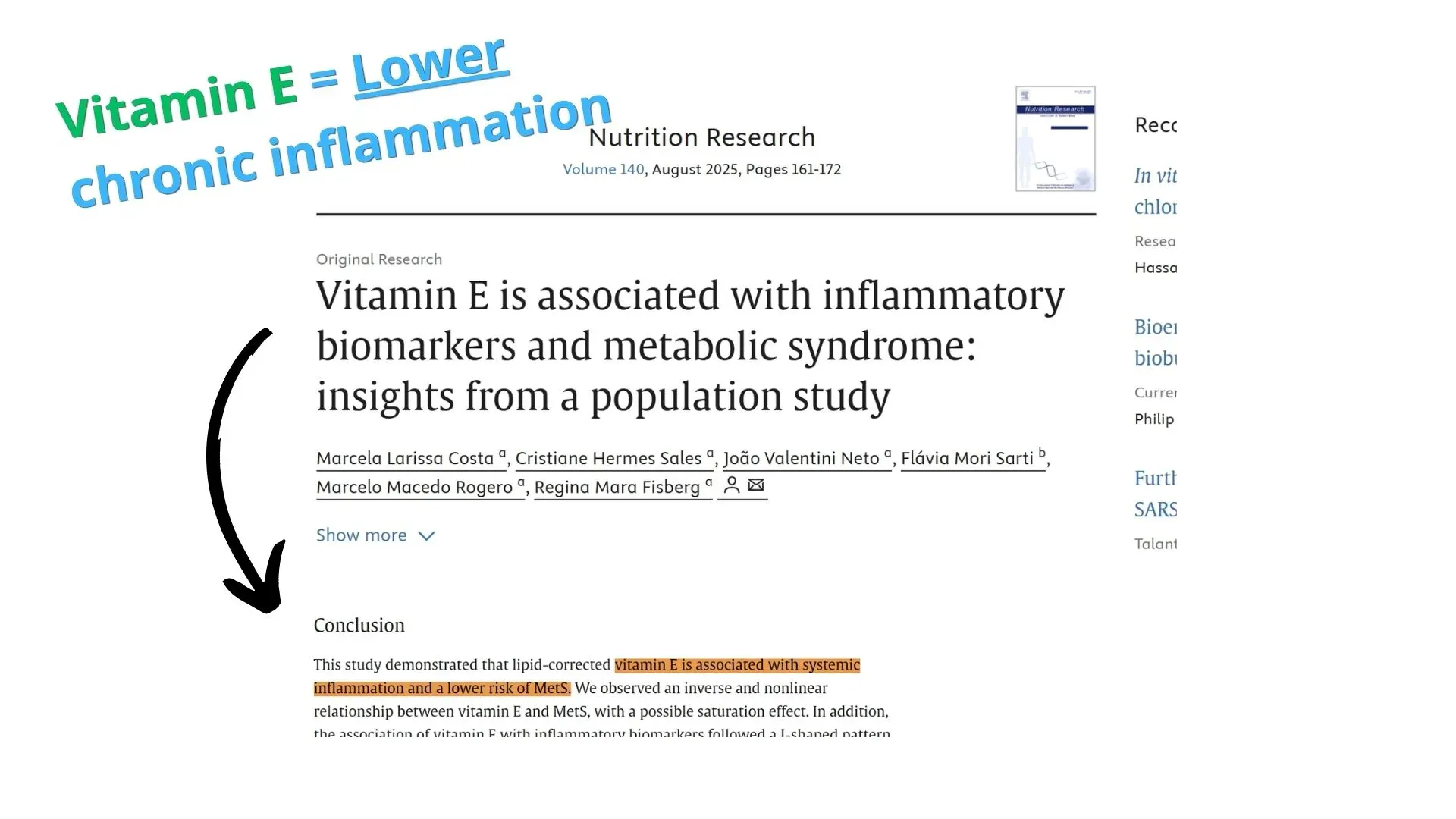
Vitamin C contributes anti-inflammatory and antioxidant support, while also helping regenerate glutathione into its active form. Vitamin E provides protection against oxidative damage, supporting cellular integrity during chronic inflammation.
The Convergence
The evidence points to a clear biological cycle: inflammation damages the gut lining, a damaged gut reduces nutrient absorption, and poor absorption prevents effective treatment of inflammation. Transdermal delivery bypasses this issue entirely by delivering nutrients directly into systemic circulation, helping address the root cause without relying on compromised gut function.